Driveway Cleaning Guide: Pressure Washing vs Power Washing in New Port Richey
Oil stains, tire marks, and mold making your driveway look neglected? Learn the difference between pressure washing and power washing, how to remove stubborn stains, and why professional driveway cleaning is worth the investment.
Pasco County Pressure Washing
12/31/20259 min read
Driveway Cleaning Guide: Pressure Washing vs Power Washing in New Port Richey
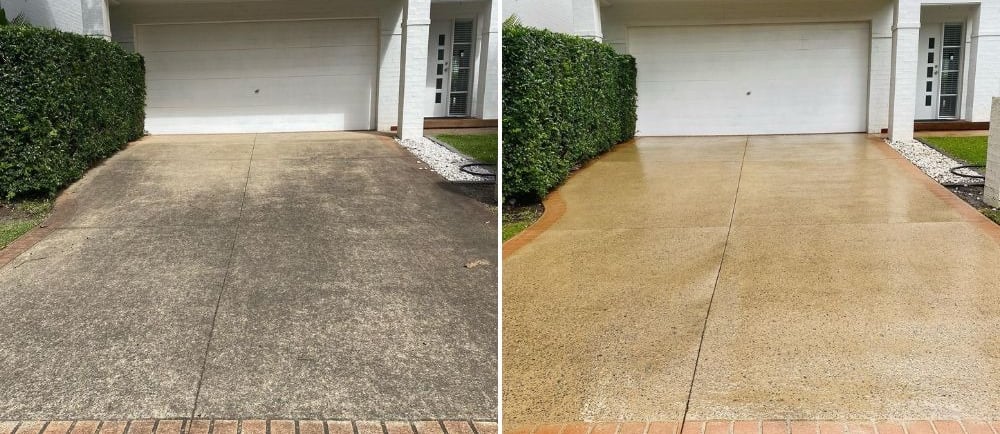
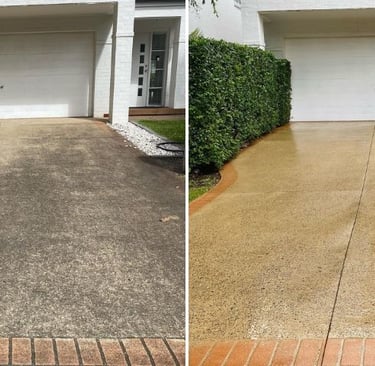
Your driveway is one of the first things people notice about your home. Between oil stains, tire marks, mold, mildew, and Florida's relentless dirt and grime, driveways in New Port Richey, Holiday, Trinity, Port Richey, and Hudson take a beating. If your driveway looks dark, stained, or dingy, professional driveway cleaning can restore it to like-new condition.
But should you use pressure washing or power washing for your driveway? What's the difference? And can you do it yourself, or should you hire professionals? Let's break down everything you need to know about driveway pressure washing in Pasco County.
Pressure Washing vs Power Washing: What's the Difference?
Many people use these terms interchangeably, but there's actually a key difference between pressure washing and power washing:
Pressure Washing
Uses cold water at high pressure (1,500-3,000+ PSI)
Effective for removing dirt, mold, mildew, and organic stains
Safer for most surfaces when used correctly
More common for residential driveway cleaning
Power Washing
Uses heated water at high pressure (1,500-3,000+ PSI)
The heat helps break down stubborn substances like grease and oil
More effective for tough, baked-on stains
Often used for commercial applications
For most driveway cleaning in Florida, standard pressure washing is sufficient and more cost-effective. However, if your driveway has significant oil stains or grease buildup, power washing's heated water can provide superior results.
Common Driveway Problems in Pasco County
Florida driveways face unique challenges that make regular driveway pressure cleaning essential:
Oil and Grease Stains
Even well-maintained vehicles leak small amounts of oil over time. These stains penetrate concrete's porous surface and darken over time, making your driveway look neglected.
Tire Marks
Hot rubber tires leave black marks on concrete, especially in areas where you frequently turn your steering wheel while parked.
Mold and Mildew
Pasco County's humidity creates perfect conditions for organic growth. That greenish-black discoloration on your driveway isn't just dirt—it's living organisms breaking down your concrete.
Rust Stains
Lawn fertilizer, metal objects, or iron in your water can leave orange-brown rust stains that are difficult to remove without proper cleaning solutions.
General Dirt and Grime
Between dirt tracked from yards, pollen, leaves, and atmospheric pollution, driveways accumulate layers of grime that make the entire property look dingy.
Algae Growth
Shaded driveways or areas near sprinklers develop slippery algae growth that's not just unsightly—it's a safety hazard.
Benefits of Professional Driveway Pressure Washing
Regular driveway cleaning isn't just about appearance. Here's why it matters:
Curb Appeal
A clean driveway dramatically improves your home's first impression. It's one of the highest-impact, lowest-cost improvements you can make to your property's appearance.
Property Value
When selling your home, a clean driveway can add thousands to your perceived home value. Buyers notice dirty driveways and may assume the home hasn't been well-maintained.
Safety
Algae, mold, and mildew make driveways slippery, especially when wet. Driveway pressure cleaning eliminates these hazards, reducing slip-and-fall risks.
Concrete Preservation
Organic growth and contaminants break down concrete over time. Regular cleaning removes these damaging substances, extending your driveway's lifespan.
Preparation for Sealing
If you plan to seal your driveway, pressure cleaning is an essential first step. Sealant won't adhere properly to dirty or stained concrete.
HOA Compliance
Many homeowners associations in New Port Richey and surrounding areas have standards for property maintenance. A clean driveway helps you stay compliant.
The Driveway Pressure Washing Process
Professional driveway cleaning involves several steps for optimal results:
1. Pre-Treatment
Stubborn stains often require pre-treatment with specialized cleaning solutions. For professional driveway cleaning, this might include:
Degreasers for oil and grease stains
Rust removers (typically oxalic acid-based) for iron stains
Sodium Hypochlorite (SH) solutions for mold, mildew, and organic growth
These solutions need time to work, breaking down stains and killing organisms before the actual pressure washing begins. For example, SH solution kills mold and mildew at the root, ensuring it doesn't immediately return after cleaning.
2. High-Pressure Cleaning
Using professional-grade equipment (typically 3,000-4,000 PSI for concrete driveways), technicians systematically clean the surface. The technique matters:
Proper angle: Too direct can damage concrete; too shallow won't clean effectively
Consistent overlap: Prevents streaking and ensures even cleaning
Appropriate nozzle: Different tips for different stain types and concrete conditions
3. Post-Treatment (If Needed)
Some stains require additional treatment after initial pressure washing. Particularly stubborn oil stains may need repeated applications.
4. Final Rinse
A thorough rinse removes all cleaning solution residue and dislodged debris.
How Often Should You Get Driveway Cleaning?
Most driveways in Pasco County benefit from professional pressure cleaning every 12-18 months. However, you may need more frequent cleaning if:
Your driveway is heavily shaded (more algae growth)
You have older vehicles that leak oil
Large trees overhang your driveway
You live near construction or dirt roads
Your driveway sees heavy traffic or commercial use
Signs it's time for driveway pressure washing:
Visible dark stains or discoloration
Green or black organic growth
Slippery spots when wet
Oil stains spreading or darkening
Overall dingy, neglected appearance
DIY Driveway Pressure Washing: Pros and Cons
Many homeowners consider renting a pressure washer for driveway cleaning. Here's what you need to know:
DIY Pros:
Lower upfront cost (rental fees typically $50-100/day)
Complete control over timing
Satisfaction of doing it yourself
DIY Cons:
Risk of damage: Too much pressure or wrong technique can etch, pit, or crack concrete
Inconsistent results: Rental equipment is often lower quality than professional gear
Physical demands: Pressure washing a driveway is exhausting work
Time consumption: What takes professionals 1-2 hours might take you all day
No specialized solutions: Rental equipment doesn't include professional-grade degreasers, rust removers, or SH solutions needed for complete stain removal
Injury risk: High-pressure water can cause serious injuries if mishandled
Equipment limitations: Rental units typically max out at 2,500 PSI, which may not be sufficient for tough stains
When DIY Makes Sense:
Your driveway just needs light cleaning (minimal stains)
You have experience with pressure washing equipment
You have time and physical ability
You're comfortable with the potential risks
When to Hire Professionals:
Significant oil or rust stains
Mold, mildew, or algae growth
You want guaranteed results
Large driveway (1,000+ square feet)
You lack time or physical ability
You want to avoid potential damage
Want to learn more about how pressure washing actually works, including the chemicals, dwell times, and techniques used? Check out our DIY Pressure Washing Guide for Pasco County homeowners.
Pressure Washing Different Driveway Materials
Not all driveways are the same. The material affects the cleaning approach:
Concrete Driveways (Most Common)
Can handle high pressure (3,000-4,000 PSI)
Benefits from hot water for oil stains
May require specialized rust removers
Sealing recommended after cleaning
Asphalt Driveways
Requires lower pressure (1,500-2,000 PSI) to avoid damage
More susceptible to damage from incorrect technique
May need seal coating after cleaning
Paver Driveways
Medium pressure (2,000-3,000 PSI)
Requires care around joints to avoid sand displacement
May need re-sanding after cleaning
Individual pavers can be replaced if damaged
Stamped or Decorative Concrete
Requires professional expertise
Lower pressure to protect decorative surface
Special attention to sealed surfaces
Risk of damaging decorative patterns with improper technique
Removing Specific Driveway Stains
Different stains require different approaches in driveway pressure cleaning:
Oil and Grease Stains
The most common and challenging driveway stain. Treatment involves:
Applying commercial degreaser
Allowing 15-30 minutes dwell time
Agitation with a brush for deep stains
Hot water power washing when possible
Repeated applications for old, set-in stains
Pro tip: Fresh oil stains are much easier to remove than old ones. Address spills quickly!
Rust Stains
From lawn fertilizer, metal objects, or iron in water:
Apply oxalic acid-based rust remover (be very careful using any type of acid, and know that oxalic acid will most likely brighten the area of concrete it is used on, leaving the area a different color from the rest of the concrete, often requiring the entire driveway to be treated so that it has a uniform color)
Allow solution to work (typically 5-15 minutes)
Pressure wash with appropriate PSI
May require multiple treatments for heavy staining
Mold and Mildew
That green or black discoloration:
Apply mildewcide or Sodium Hypochlorite (SH) solution
Let solution kill organisms at the root
Pressure wash away dead growth
Consider preventive treatments for shaded areas
Tire Marks
Black rubber scuffs:
Pre-treat with degreaser
Use hot water if available
May require scrubbing in addition to pressure washing
Very old marks may be permanent
Efflorescence (White Powder)
That white, chalky residue on concrete:
Usually washes away with water pressure alone
May return if moisture issues aren't addressed
Not harmful, just unsightly
Protecting Your Landscaping During Driveway Cleaning
Professional driveway pressure washing services take precautions to protect surrounding areas:
Pre-wet plants: Saturating nearby vegetation before applying cleaning solutions
Cover delicate plants: Using tarps or plastic sheeting
Divert runoff: Ensuring contaminated water doesn't pool in garden beds
Rinse thoroughly: Washing away any cleaning solution that contacts plants
Use eco-friendly products: Choosing plant-safe cleaning solutions when possible
Driveway Sealing After Pressure Cleaning
Once your driveway is cleaned, consider sealing it for long-term protection:
Benefits of Driveway Sealing:
Stain resistance: Sealed concrete resists oil and rust stains
Weather protection: Sealer protects against Florida's sun and rain
Easier cleaning: Future stains wipe away more easily
Enhanced appearance: Sealer can add a subtle sheen
Extended lifespan: Protection from deterioration
Important: Driveways must be completely clean and dry before sealing. This is why many homeowners combine driveway pressure washing with sealing services.
Cost of Driveway Pressure Washing in Pasco County
Professional driveway cleaning costs vary based on several factors:
Factors Affecting Price:
Size: Measured in square feet
Condition: Heavily stained driveways require more time and product
Material: Some surfaces require more careful, time-consuming work
Stain types: Oil stains need special treatment
Accessibility: Obstacles and tight spaces add time
Typical Pricing:
While prices vary, expect to invest in professional driveway pressure cleaning. This is far less expensive than driveway replacement, which can cost $4-15 per square foot.
Consider this: A heavily stained 500 sq ft driveway might cost you a few hundred dollars to professionally clean. Replacing that same driveway? $2,000-7,500. Regular cleaning is smart preventive maintenance.
Maintaining Your Driveway Between Cleanings
Extend the time between professional driveway pressure washing with these tips:
Address Spills Immediately: Soak up fresh oil with kitty litter or sawdust, then clean the spot.
Rinse Regularly: A quick hose-down removes surface dirt before it sets in.
Sweep Frequently: Remove leaves, dirt, and debris that hold moisture against concrete.
Fix Leaks: Repair vehicles that drip oil to prevent recurring stains.
Trim Vegetation: Keep plants back from driveway edges to reduce shade and moisture.
Use Drip Pans: Place under vehicles known to leak.
Avoid Fertilizer Contact: Keep lawn chemicals off concrete surfaces.
Local Considerations for Driveway Cleaning in New Port Richey
Living in Pasco County means dealing with specific challenges:
Humidity and Rain
Our climate accelerates organic growth on driveways. Shaded driveways may need cleaning more frequently than the typical 12-18 month schedule.
Oak Trees
Common throughout New Port Richey, Holiday, Trinity, Port Richey, and Hudson, oak trees drop tannin-rich leaves that can stain concrete.
Salt Air
Homes near the Gulf may experience accelerated concrete deterioration, making regular cleaning and sealing even more important.
Hard Water
Pasco County's hard water can leave mineral deposits on driveways, especially near sprinkler systems.
Limestone Dust
Construction and natural limestone in our soil can leave white residue on driveways.
Choosing a Driveway Pressure Washing Company
When selecting driveway cleaning services in Pasco County, look for:
✅ Proper Insurance: Liability coverage protects you if something goes wrong
✅ Experience: Companies familiar with Florida-specific staining issues
✅ Professional Equipment: Commercial-grade pressure washers (3,000+ PSI for concrete)
✅ Cleaning Solutions: Access to specialized degreasers and stain removers
✅ Written Estimates: Clear pricing before work begins
✅ References: Reviews from local customers
✅ Realistic Promises: Be wary of "guaranteed perfect results"—some very old stains may be permanent
FAQ: Driveway Pressure Washing
Q: Will pressure washing damage my driveway? A: When done correctly by professionals, no. However, too much pressure or improper technique can etch or pit concrete. This is why professional equipment and expertise matter.
Q: How long does driveway cleaning take? A: Most residential driveways take 1-3 hours depending on size and condition. Heavily stained driveways requiring pre-treatment may take longer.
Q: Can you remove all oil stains? A: Fresh oil stains usually come out completely. Old, set-in oil stains (especially on unsealed concrete) may lighten significantly but might not disappear entirely. We'll be honest about realistic expectations during your estimate.
Q: Should I seal my driveway after cleaning? A: We generally recommend sealing, especially for concrete driveways. It protects your investment and makes future cleaning easier. The driveway must be completely clean and dry first.
Q: How soon can I drive on my driveway after cleaning? A: You can drive on it as soon as it's dry, typically within a few hours. If you seal the driveway, you'll need to wait 24-48 hours per the sealer manufacturer's instructions.
Q: Will cleaning remove tire marks? A: Most tire marks can be significantly reduced or removed with proper pre-treatment and pressure washing. Very old, set-in marks may be stubborn.
Q: Is pressure washing safe for stamped concrete? A: Yes, but it requires professional expertise and lower pressure to avoid damaging the decorative surface or sealant. This isn't a DIY job.
The Bottom Line: Clean Driveways Matter
Your driveway represents a significant portion of your property's visible square footage. A clean driveway makes your entire property look well-maintained and cared for. More importantly, regular driveway pressure washing protects your concrete investment from damage caused by contaminants and organic growth.
Whether you need basic driveway cleaning to remove dirt and mildew or intensive driveway power washing to tackle stubborn oil stains, professional services deliver results that DIY methods simply can't match—safely and efficiently.
Ready to restore your driveway? We provide professional driveway pressure washing and power washing services throughout New Port Richey, Holiday, Trinity, Port Richey, and Hudson.
Call us today at (727) 355-7725 or request a free driveway cleaning quote to schedule your service.
Serving Pasco County with expert driveway cleaning, pressure washing, power washing, and complete exterior cleaning services. Transform your driveway from dingy to dazzling.
📞(727) 355-7725
📧 info@pascocountypressurewashing.com
📍 Based in New Port Richey, FL — serving Pasco County & surrounding areas
Hours: Mon- Sun 8am-6pm
© 2026 Pasco County Pressure Washing